The past two months have kept the Clean Energy Help team moving from industry gatherings and rooftop solar tours to on-site labor compliance work, a major client milestone, and an important conversation about the future of commercial solar.
Connecting with Florida’s Solar Industry at FlaSEIA
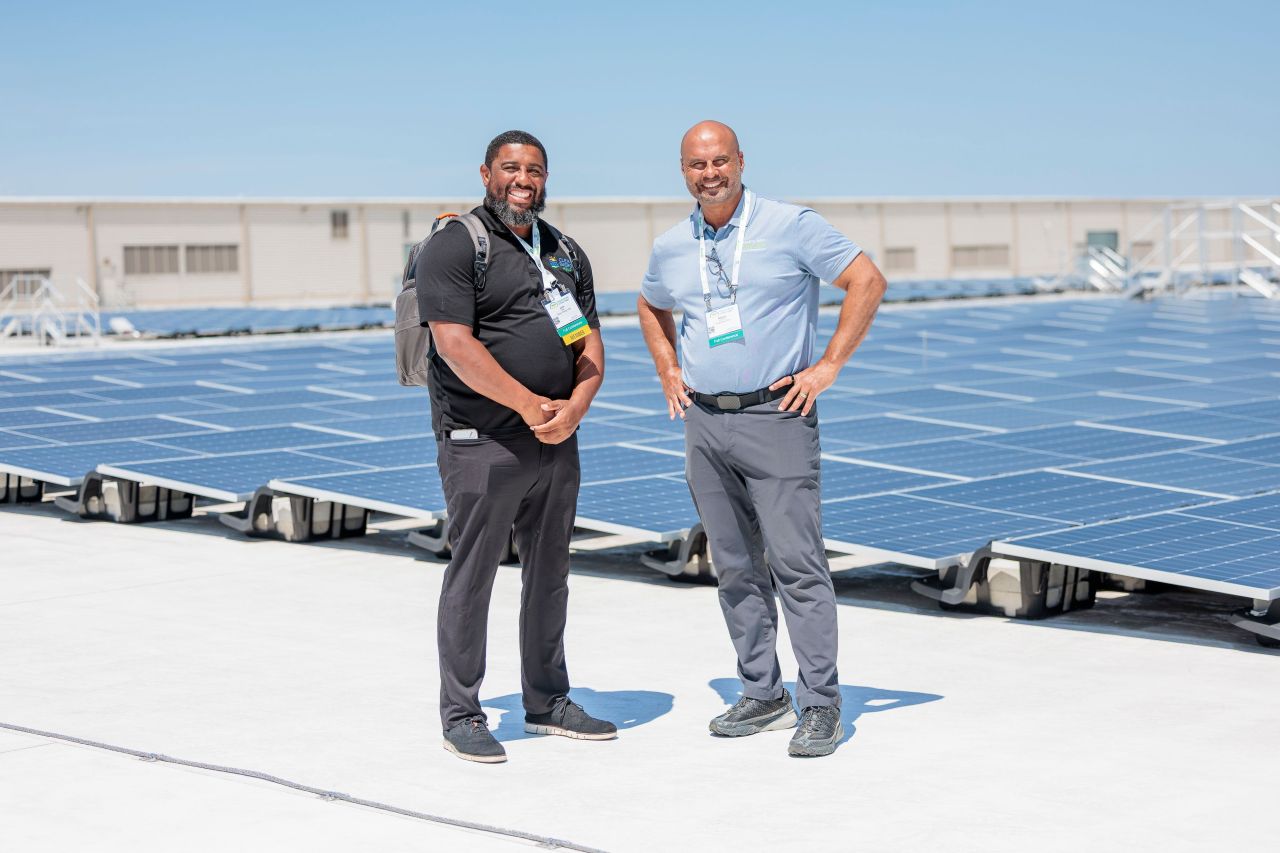
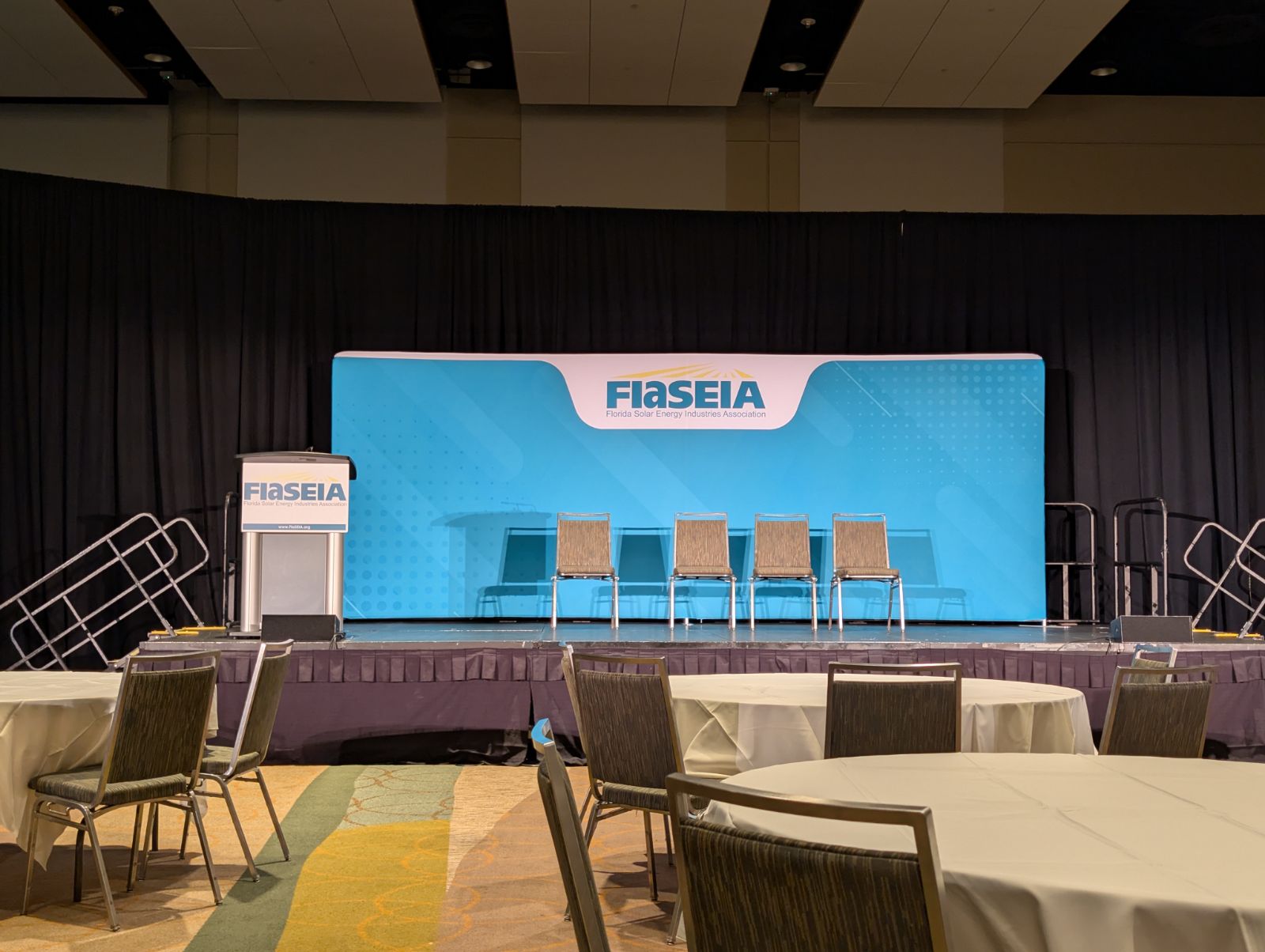
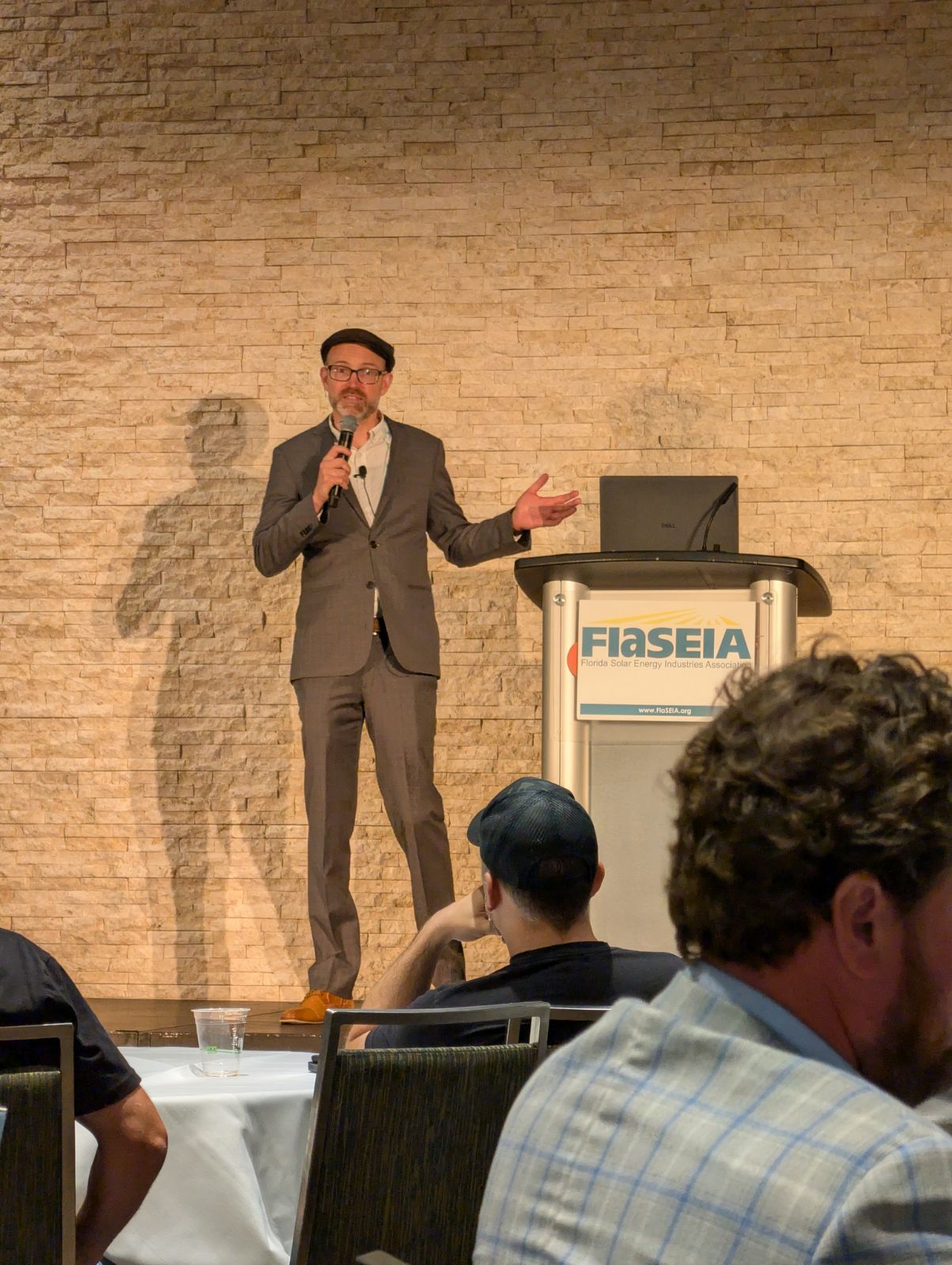
In May, John Riley and Miguel Maysonet III joined solar professionals from across the state at the FlaSEIA Summit in Orlando.
The conversations reflected both the rapid changes affecting the solar industry and the opportunities ahead. Sessions explored growing
energy demand from data centers, battery storage and microgrids, evolving tax credit and financing considerations, and the increasingly important requirements surrounding Foreign Entity of Concern compliance and domestic
content.
One message came through clearly: solar is no longer an alternative energy source. It is an established and increasingly essential part
of our energy infrastructure.
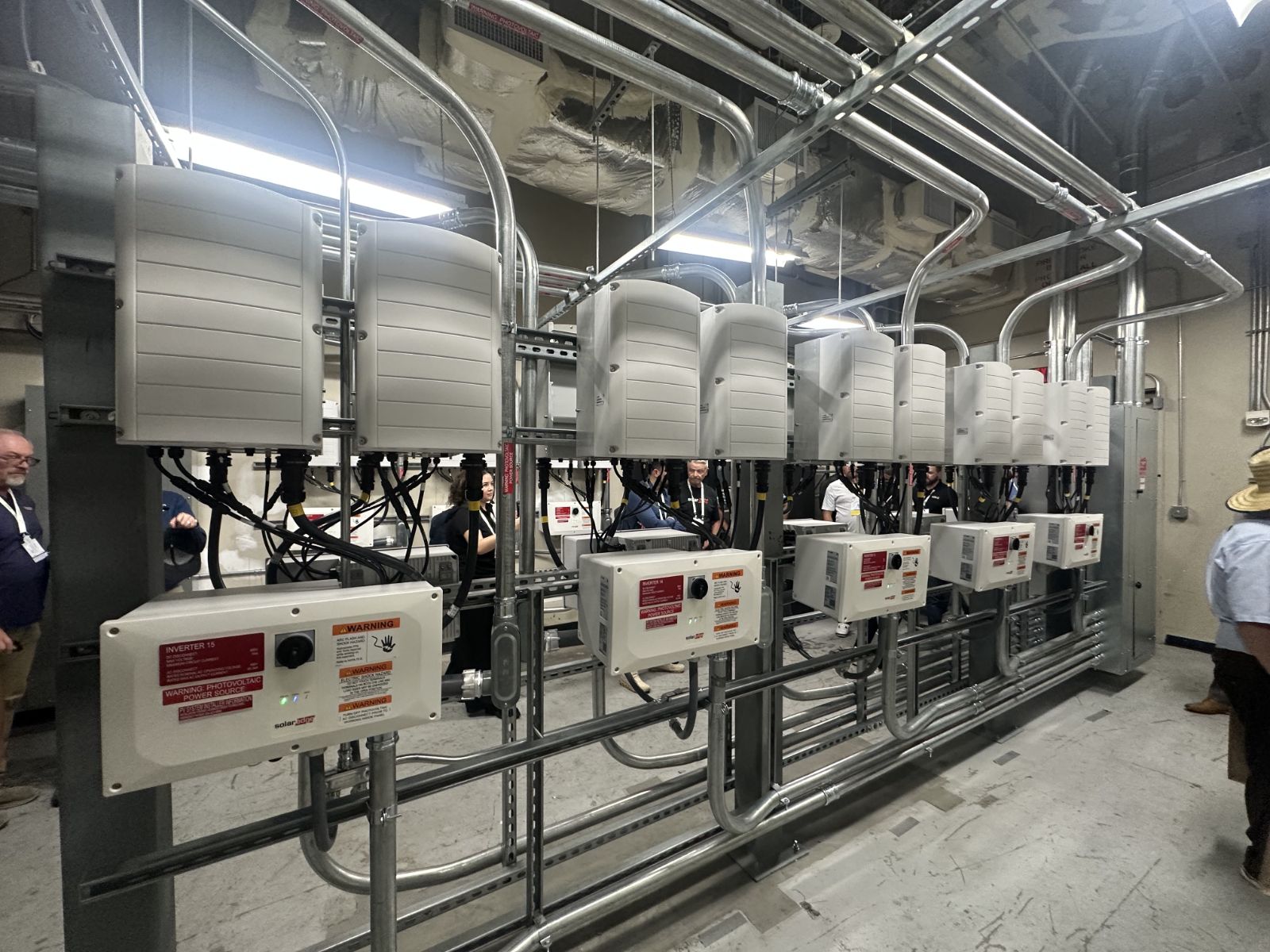
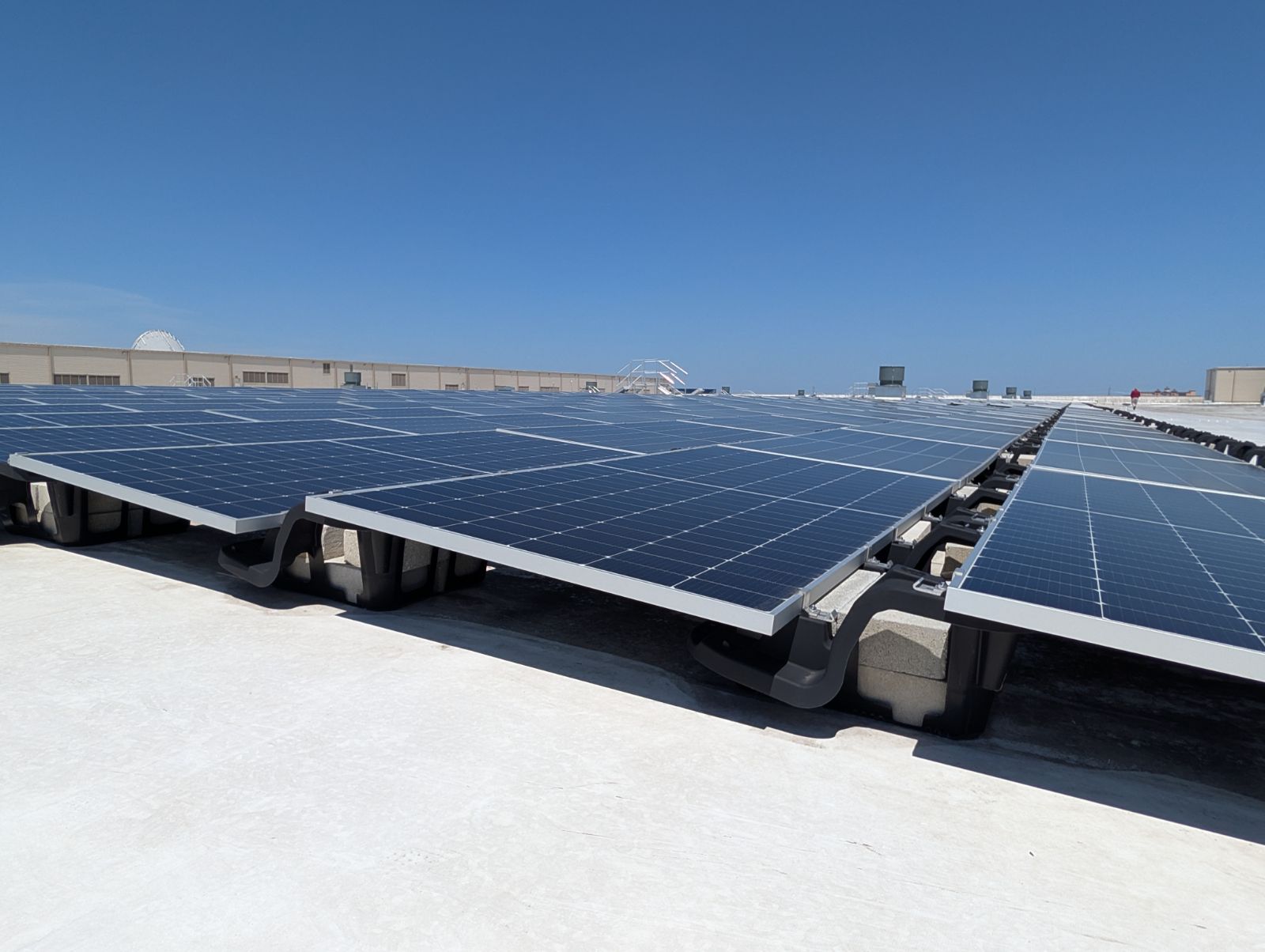
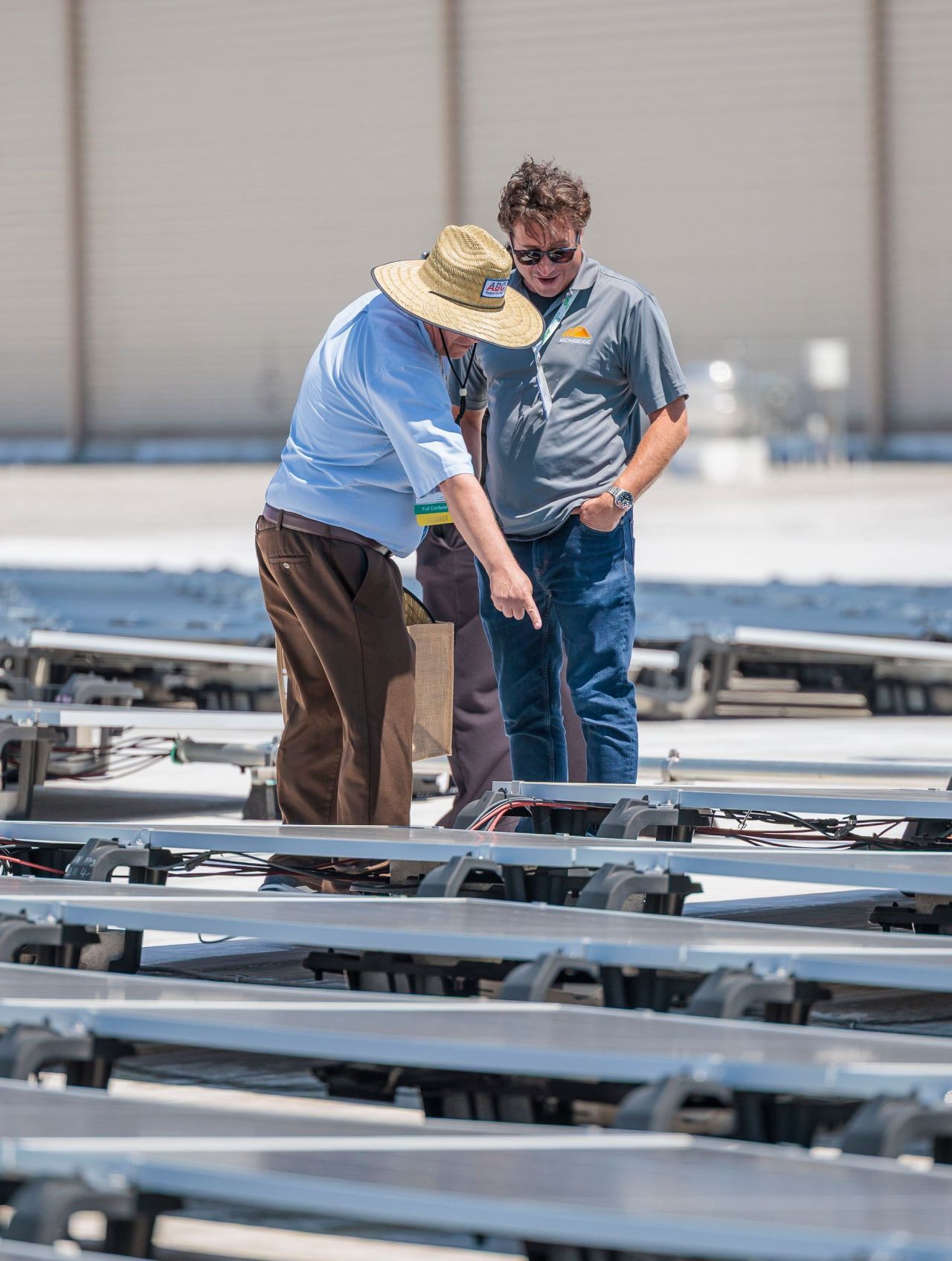
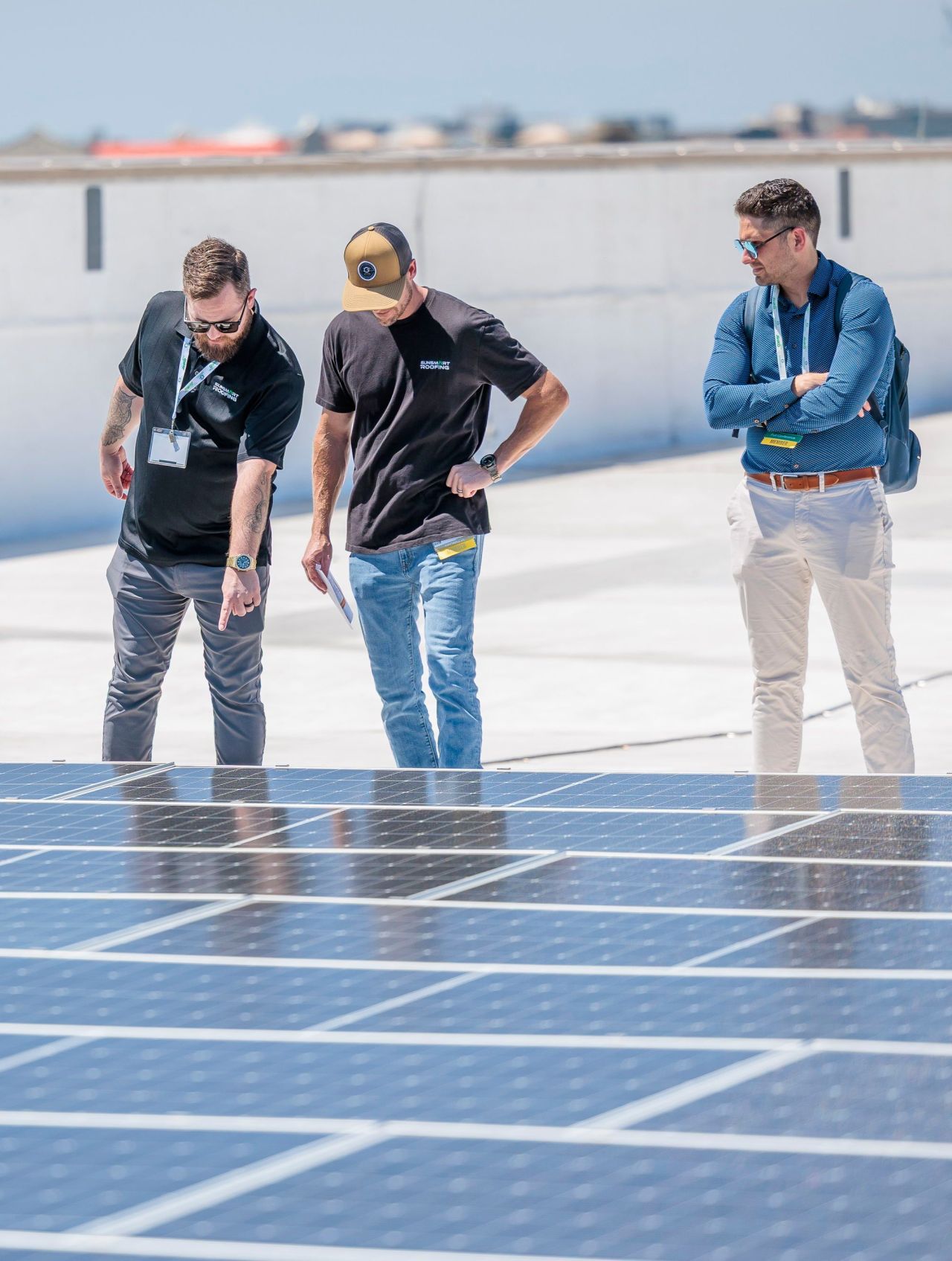
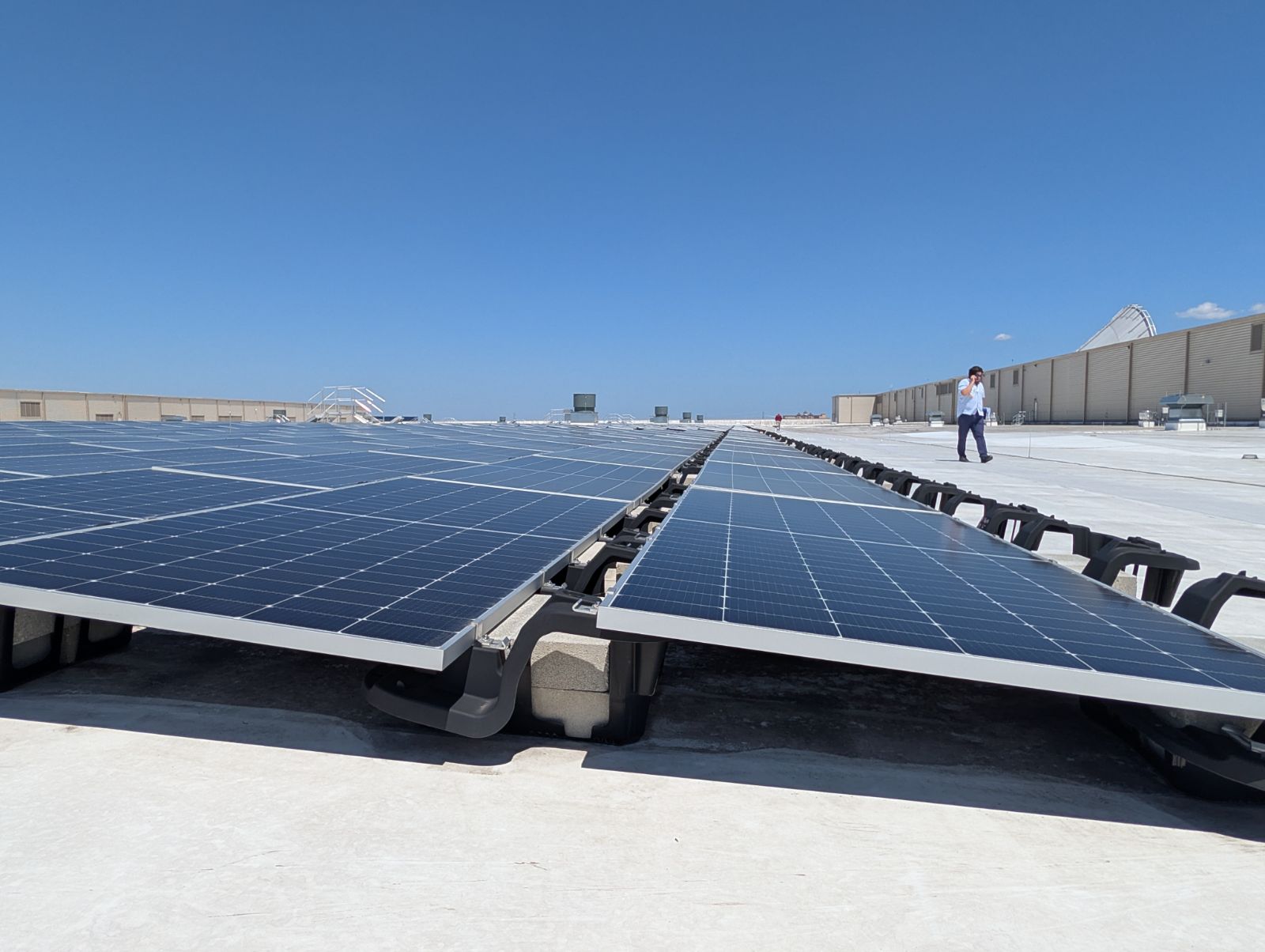
The Summit also included a tour of the Orange County Convention Center’s impressive 2.2 megawatt rooftop solar installation. The
Convention Center was able to double its solar capacity within the existing rooftop footprint, while more than 5,800 functional panels from the previous array were redistributed through IDEAS for Us and The Great Solar Giveaway.
The tour offered a valuable look at the engineering and coordination behind a large commercial solar installation, as well as how
thoughtful equipment reuse can extend a project’s impact beyond a single site.
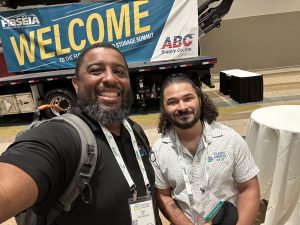
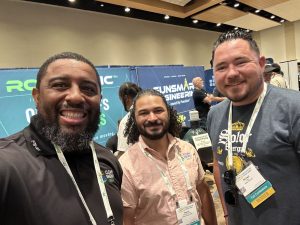
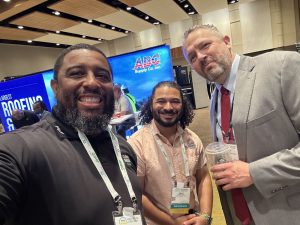
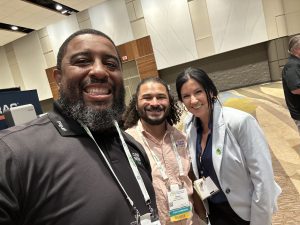
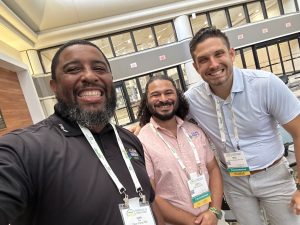
DID WE CATCH YOU IN A SELFIE
We took a few selfies with friends and colleagues throughout the Summit. Take a look through the collage and see whether you can spot yourself, or another familiar face from Florida’s solar community.


Celebrating the OB One Church Closeout
We are excited to celebrate the completion of Clean Energy Help’s work with OB One Church in Santa Monica, California.
The project combines a 21 kilowatt solar system with 20 kilowatts of battery storage. CEH helped guide the church through the elective pay process, supporting an elective payment claim of $50,239.
Historically, tax exempt organizations could not directly benefit from clean energy tax credits because they did not have a federal income-tax liability. Elective pay is helping change that, opening the door for churches, nonprofits, local governments, schools, and other eligible organizations to access federal clean energy incentives.
We are grateful to have helped OB One Church navigate the process and bring our portion of the project across the finish line.
21KW
20KW
50K
Commercial Solar: What You Need to Know Now
On June 23, Clean Energy Help joined SunSmart Engineering and the Florida Solar Energy Industries Association for a free webinar examining the changing commercial solar landscape.
The conversation featured Caleb Quaid of Clean Energy Help; John Antonelli, P.E., and Troy Phelan of SunSmart Engineering; and Laura Partee LaRosa of FlaSEIA. Dustin Waite moderated the discussion and audience Q&A.
The panel addressed several of the issues shaping commercial
solar projects today, including:
- Commercial clean energy tax credit timelines
- Beginning of construction and safe harbor considerations
- Foreign Entity of Concern requirements
- Domestic content documentation
- Elective pay for tax-exempt organizations
- Equipment procurement and manufacturer certifications
- Utility transformers, service voltage, and interconnection
- Roof conditions, mounting methods, and fire code setbacks
The central takeaway was that commercial solar remains a strong opportunity, but the individual pieces of a project can no longer be considered separately. Tax strategy, funding, equipment selection, engineering, utility requirements, and construction timelines should be evaluated together and as early as possible.
Clean Energy Help and SunSmart Engineering both emphasized that the ideal time to involve technical and tax credit advisors is before the final contract is signed and before equipment is ordered. Addressing these questions early can help protect incentives, prevent costly redesigns, and give project teams the best chance of reaching the finish line successfully.
Exploring Geothermal Resilience in Pinellas County
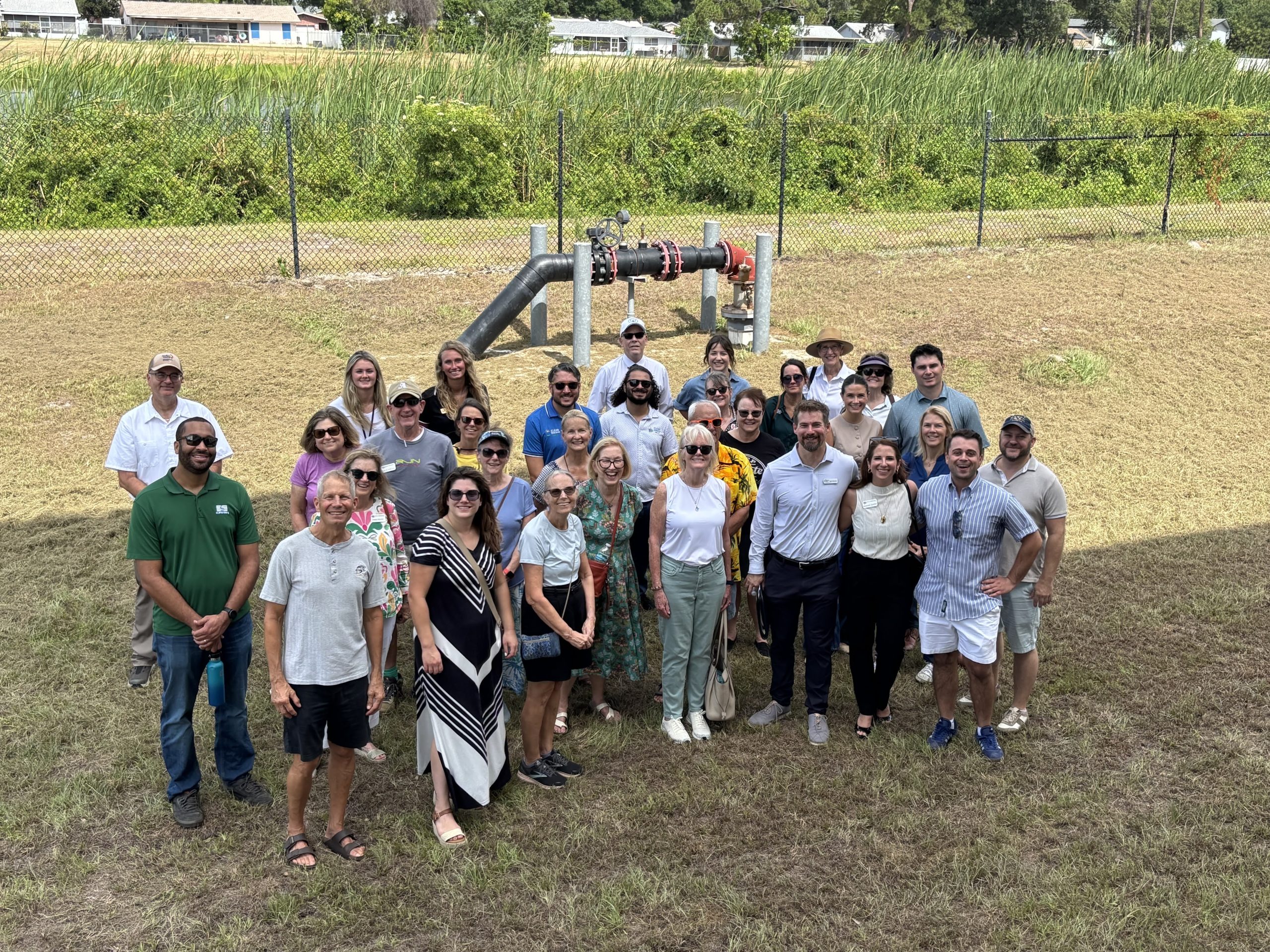
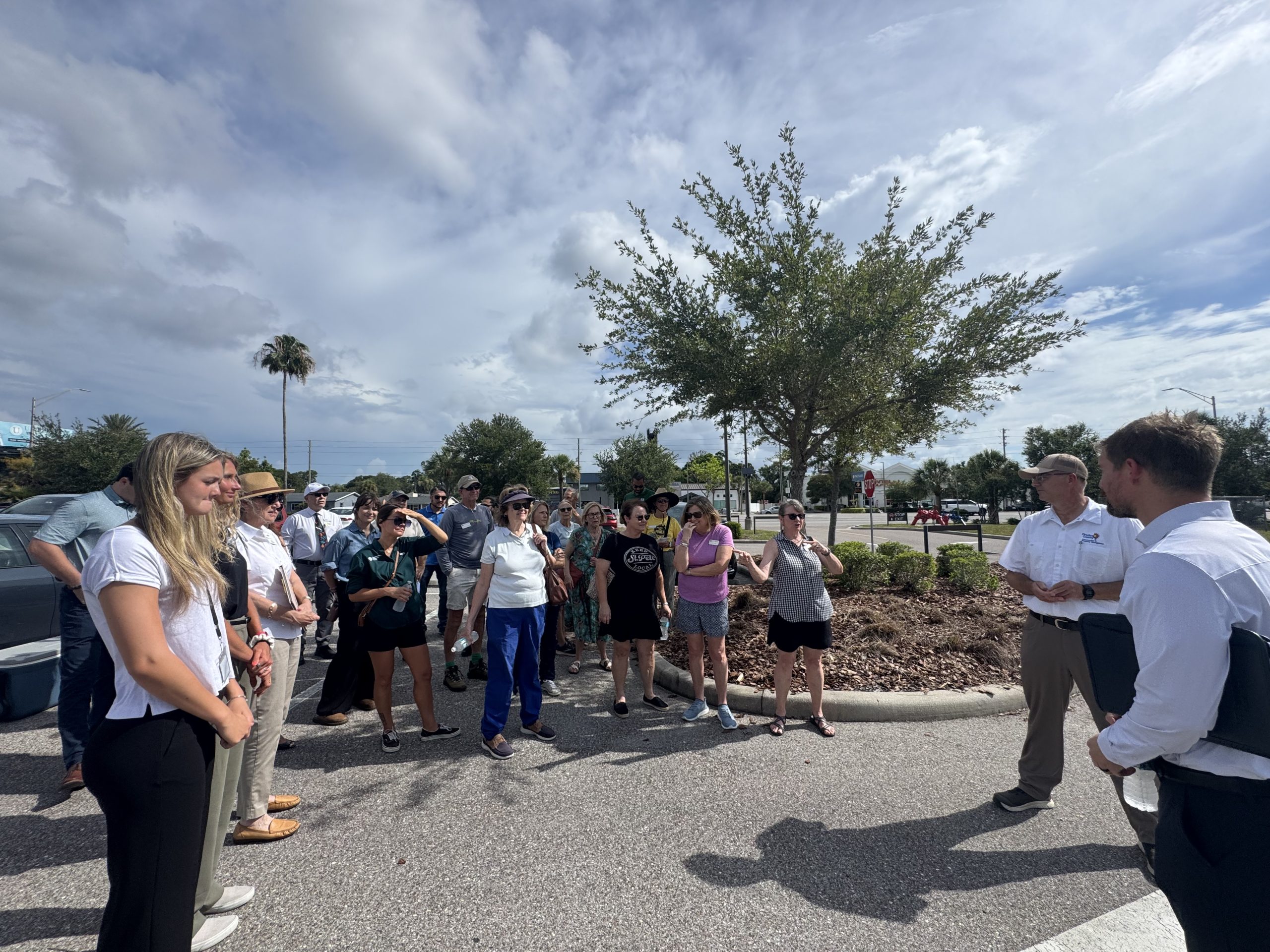
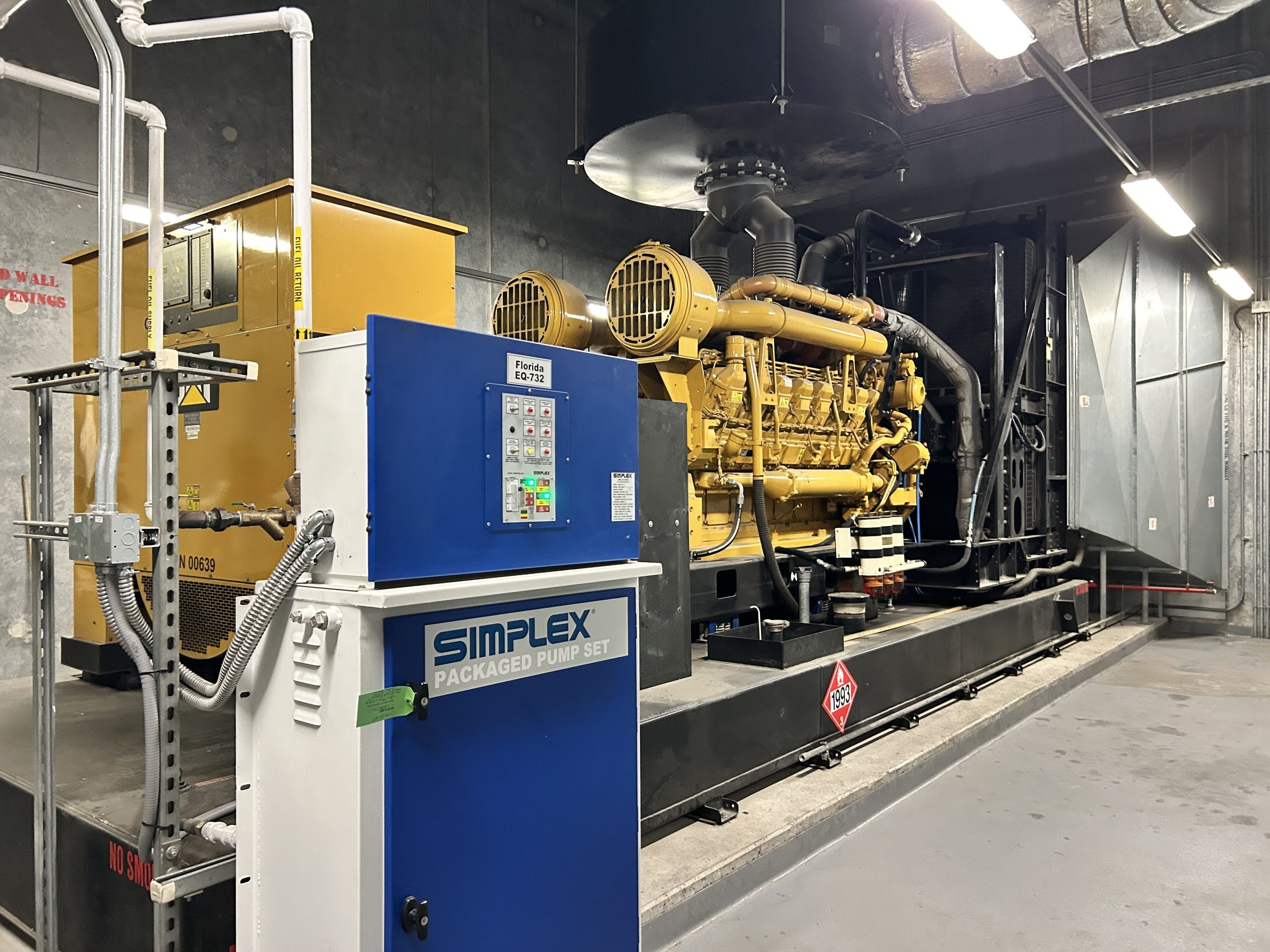
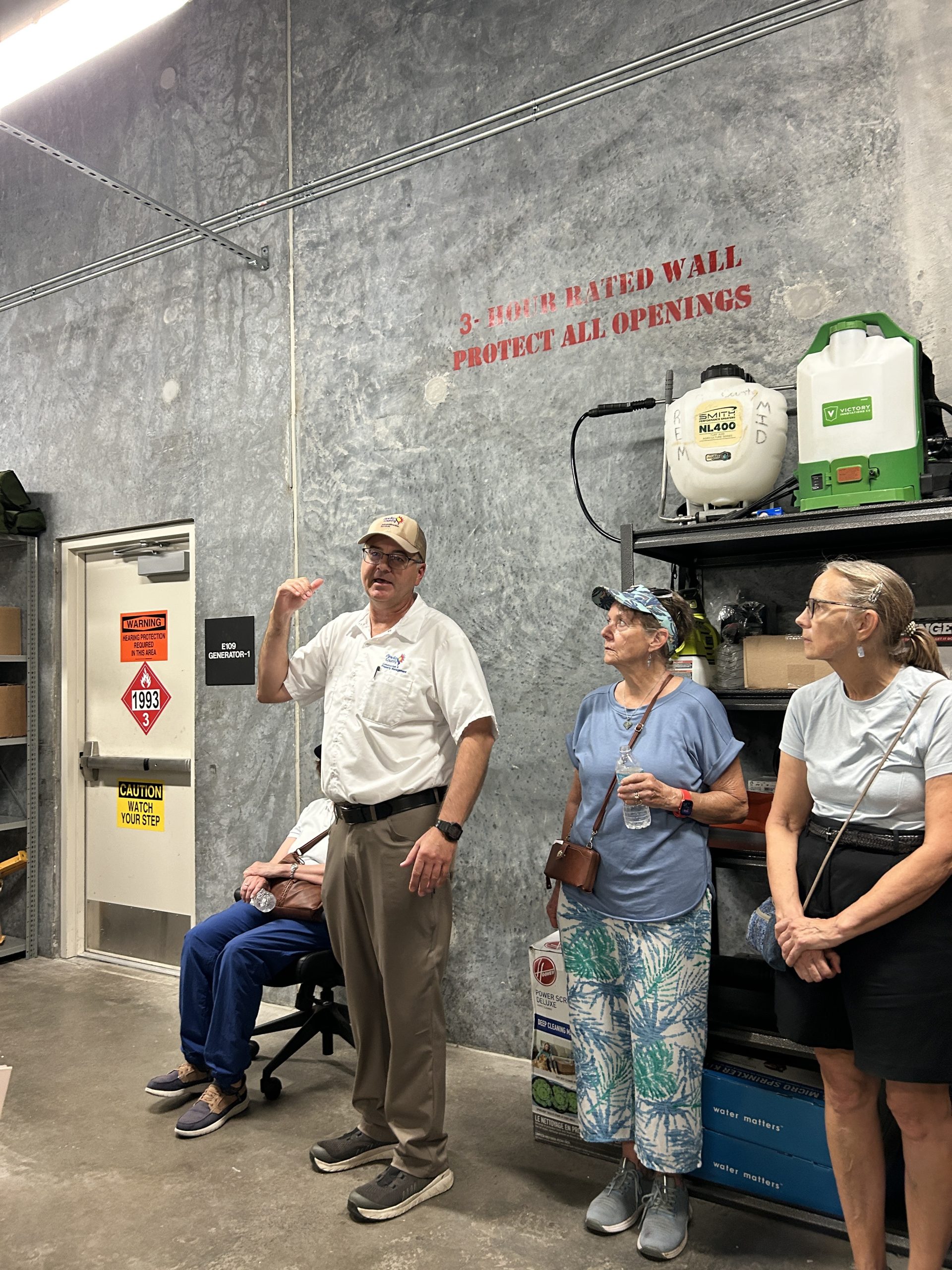
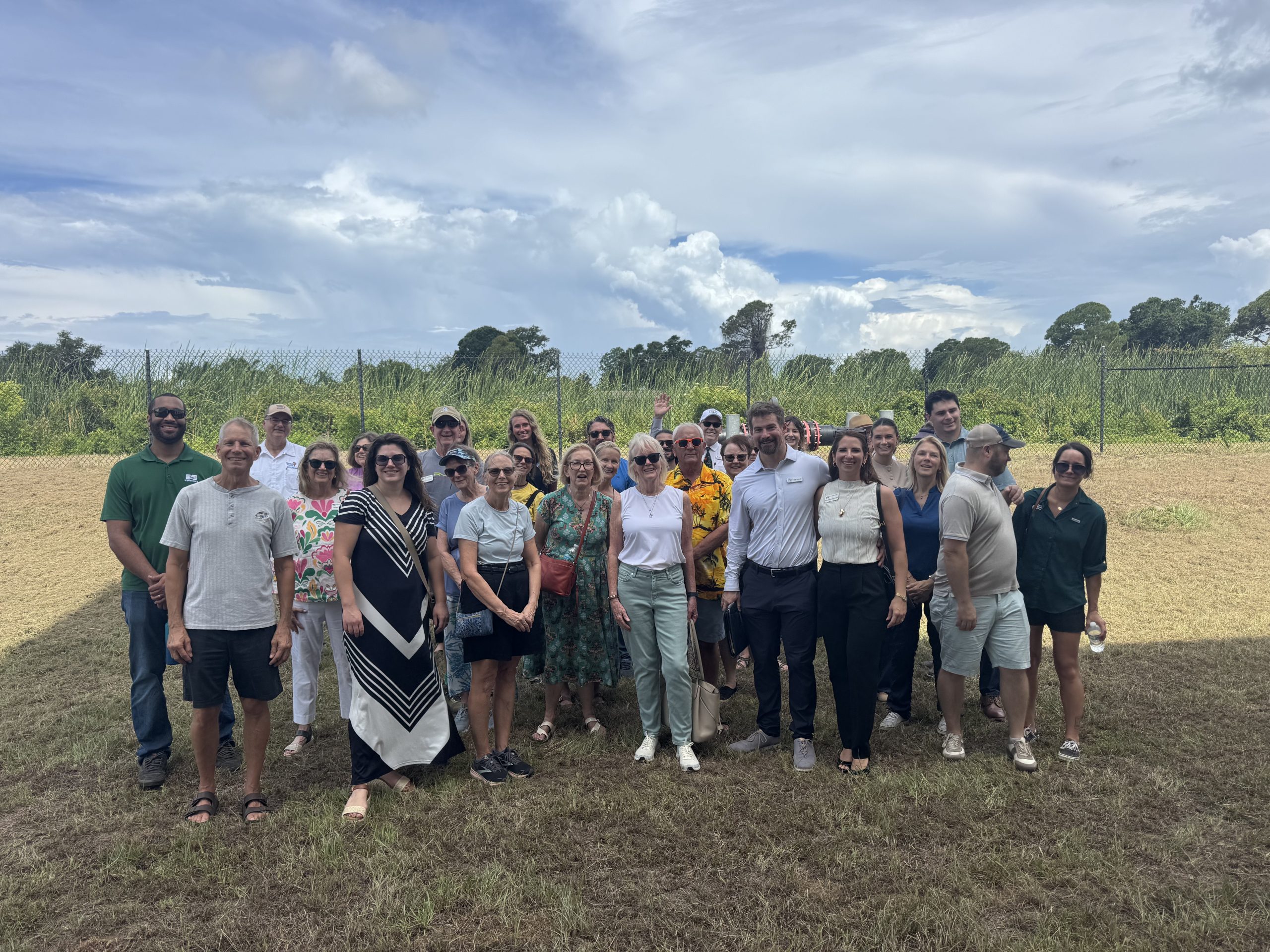
In June, the Clean Energy Help team joined approximately 40 community members and sustainability professionals for a tour of the Pinellas County Public Safety Complex and its geothermal cooling infrastructure.
The tour was hosted by the Sierra Club, the League of Women Voters, and Egg Geothermal, with representatives from Pinellas County and Egg Geo guiding attendees through the facility and its central energy plant.
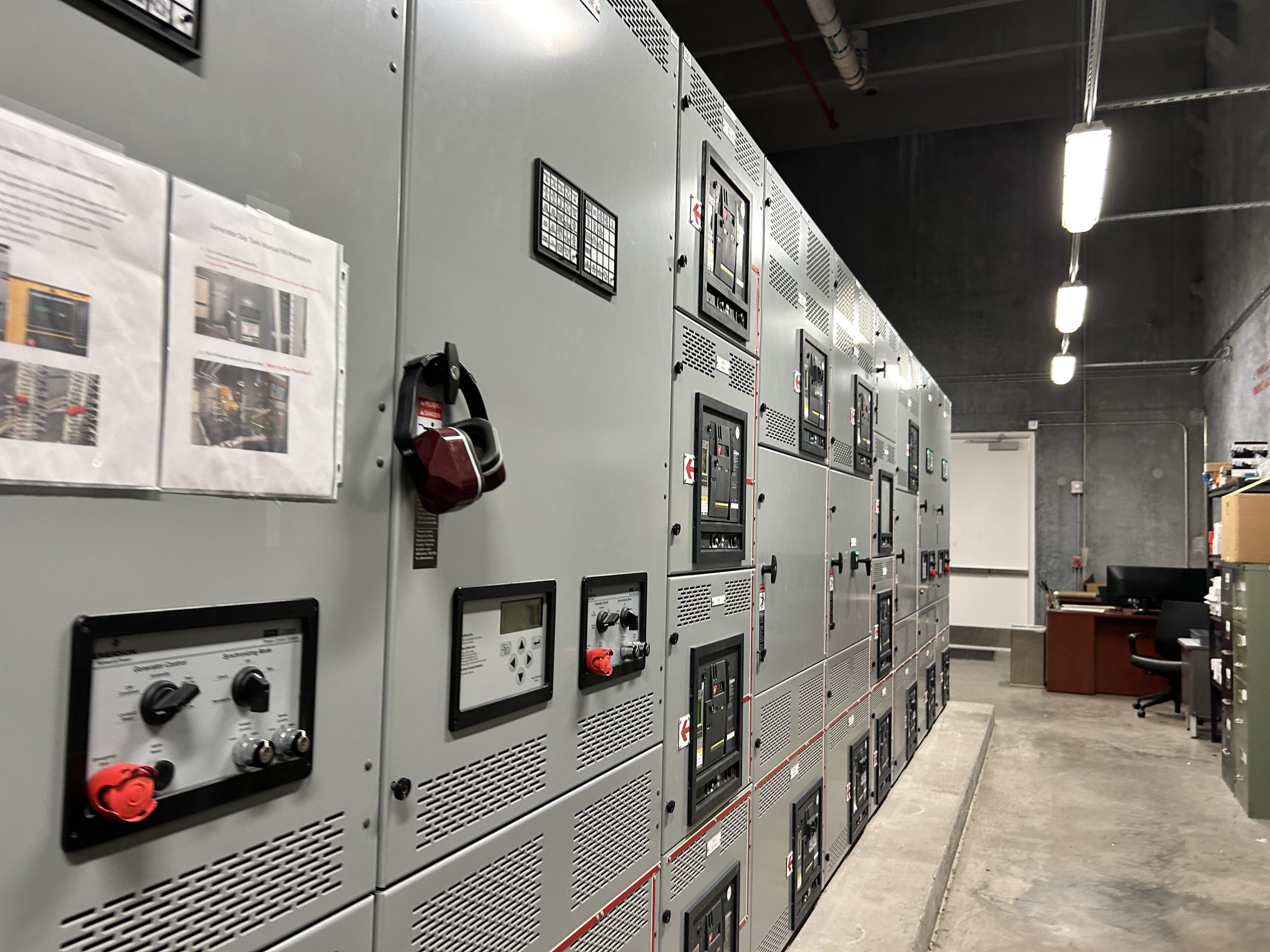
The nearly 300,000 square foot complex houses critical public safety operations, including the Sheriff’s Administration Building and Emergency Operations Center. Because the facility must remain operational around the clock and during major emergencies, dependable and resilient infrastructure is essential.
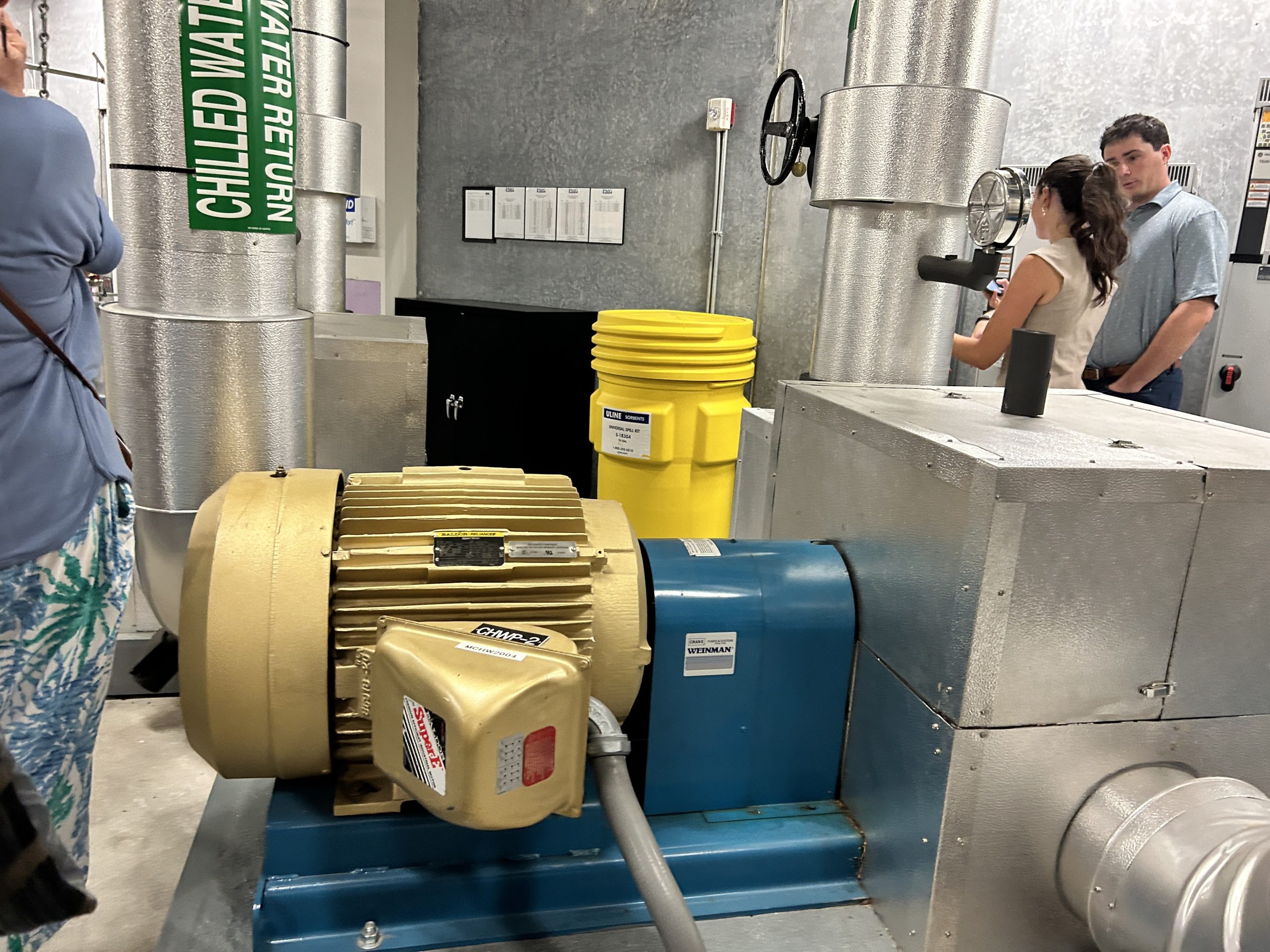
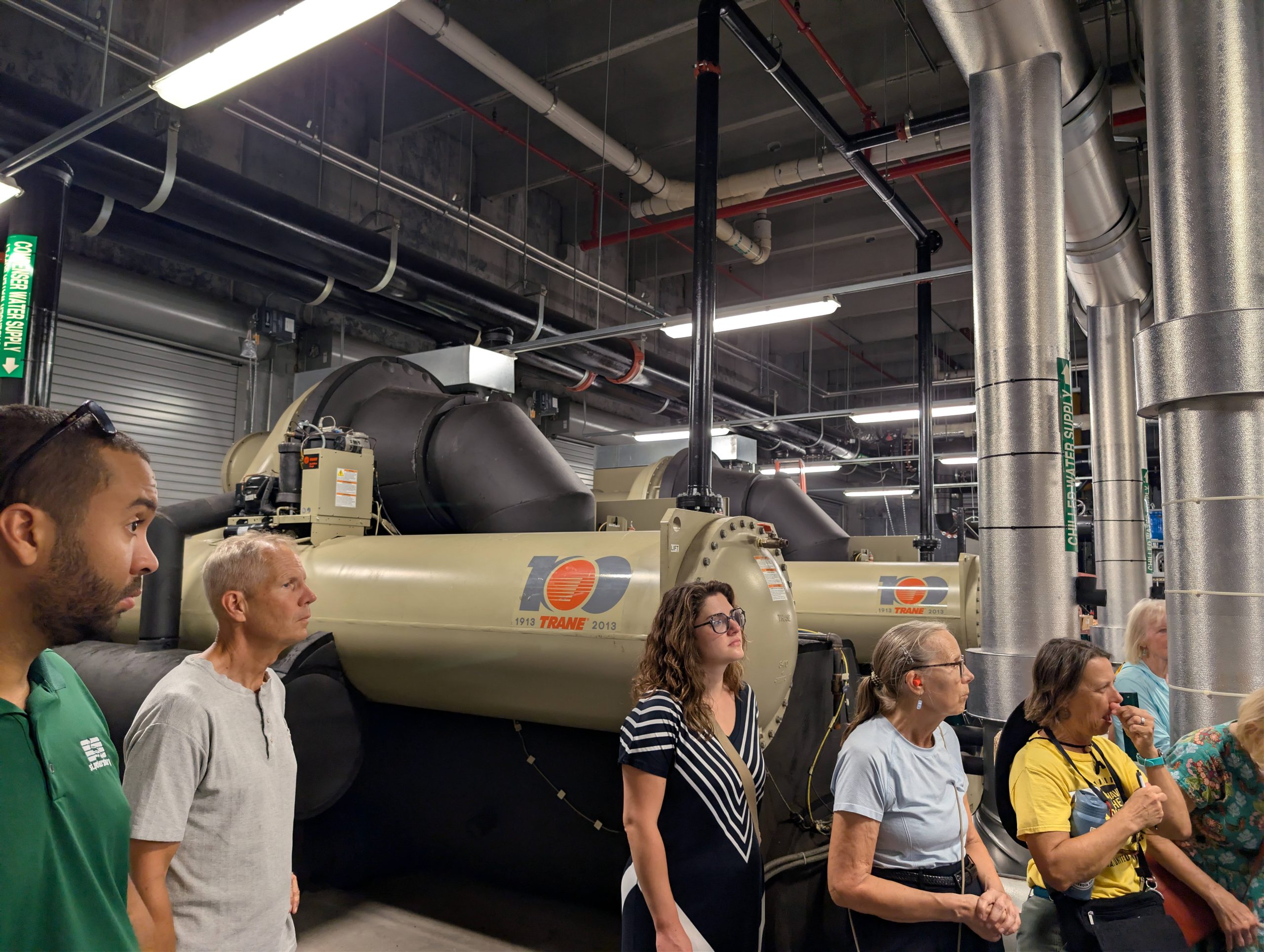
Rather than using conventional cooling towers, the complex relies on an open loop geothermal system. Groundwater is pumped from the aquifer, passed through heat exchangers to absorb heat from the building, and then returned to the aquifer a few degrees warmer. One hundred percent of the water is returned underground, eliminating the water consumption associated with evaporative cooling towers.
The scale of the system is impressive. The facility can require up to 1,000 tons of heat rejection, compared with approximately three to four tons for a typical home. Florida’s groundwater remains at a relatively consistent temperature of around 82 degrees throughout the year, allowing the building to reject heat more efficiently than a conventional system operating against hot summer air.
The tour also explored how geothermal technology can support:
- Lower energy and water costs
- Reliable operation at critical facilities
- New construction and existing-building retrofits
- Thermal energy networks connecting multiple buildings
- Federal clean energy tax incentives when applicable requirements are met
Afterward, attendees continued the conversation over lunch at House of Vegano, a local Black-owned and environmentally conscious business located in the building that formerly housed Sierra Club Florida’s headquarters.
The property is recognized as St. Petersburg’s first commercial net zero office building, combining energy efficiency, geothermal heating and cooling, and rooftop solar. It offered a smaller scale complement to the Public Safety Complex and demonstrated that geothermal systems can support projects ranging from individual commercial buildings to major public facilities and, potentially, district-scale energy networks.
The visit reinforced an important lesson: some of the most innovative infrastructure is the infrastructure we cannot see. Geothermal may operate largely beneath our feet, but its potential benefits for resilience, water conservation, and long term energy performance are substantial.